


The Pamir Ballad: An absurd and beautiful ride

A road where reason ends and wonder begins
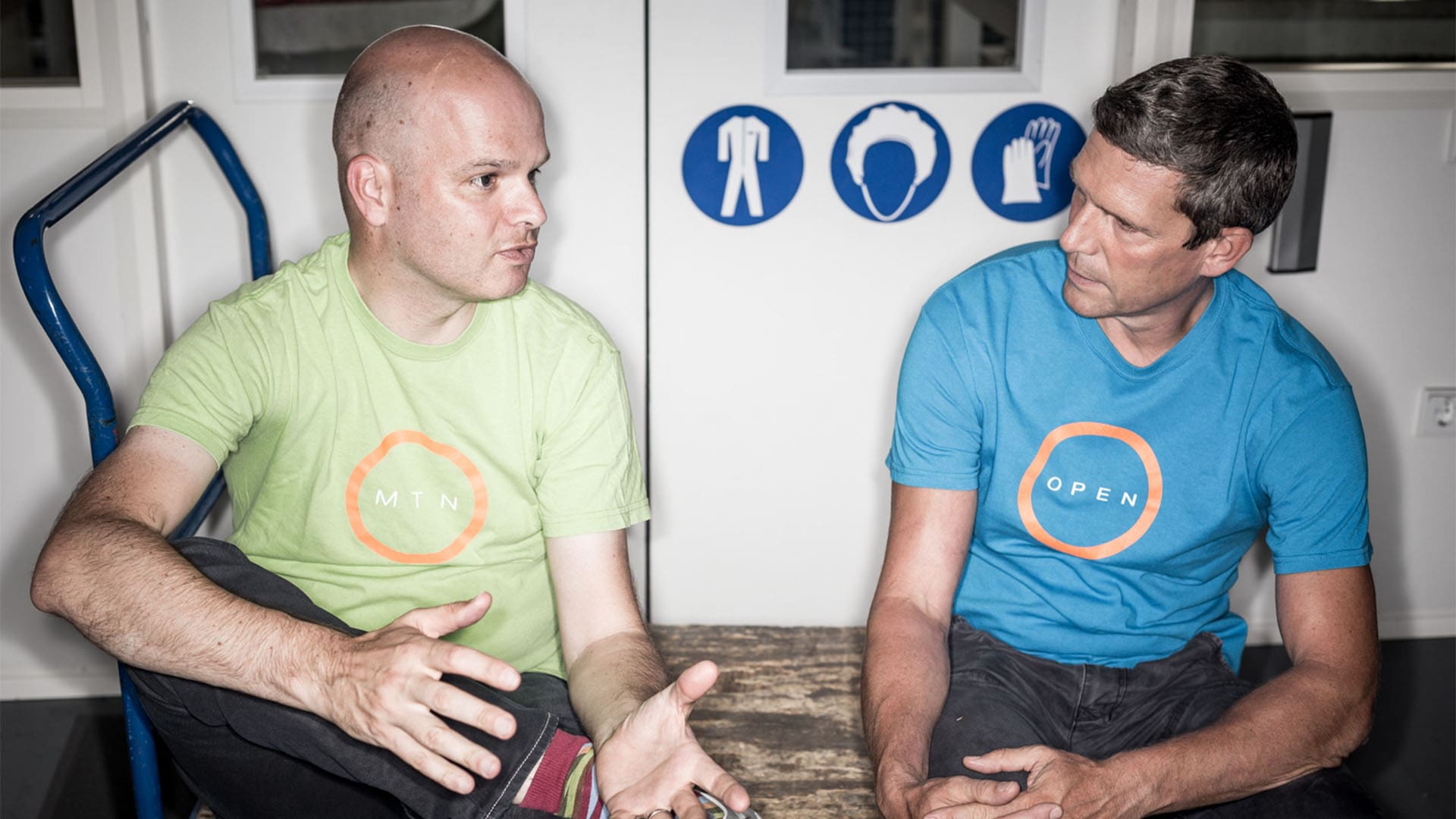
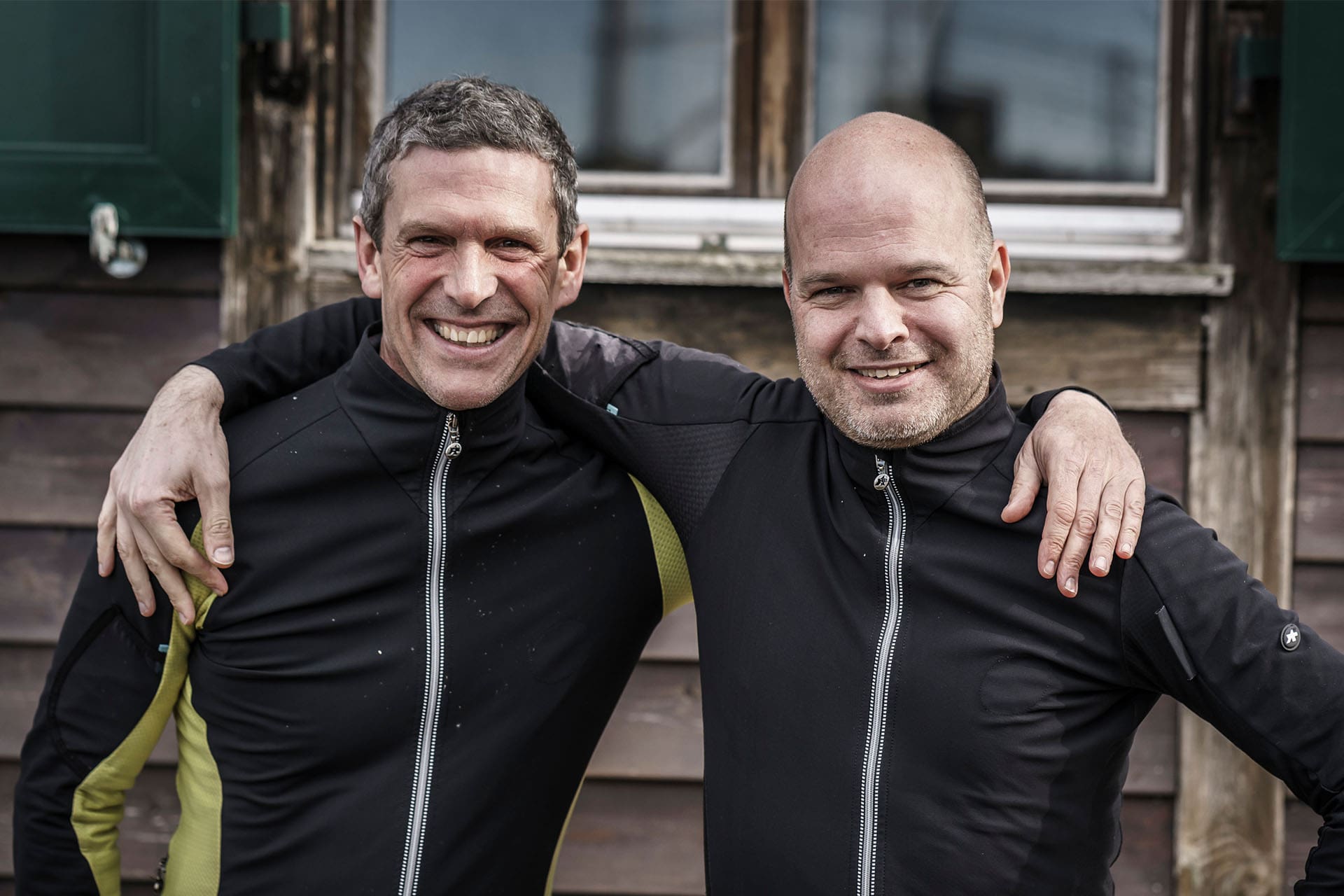
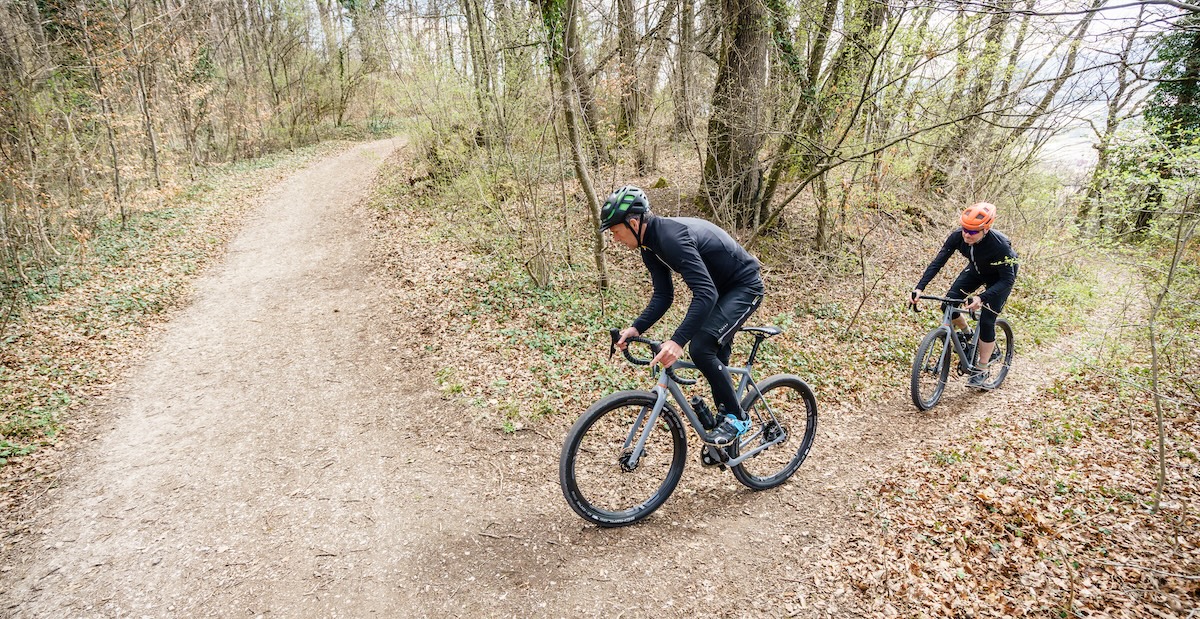
Anouche and Tom (the ANOM team) have been OPEN customers for a while. And they take there riding a bit further than most of us. Besides their gravel riding and racing, they also take their bikes a little more of the beaten track. This year they explored the Pamir Highway. This is their story:
The Pamir Highway, also known as the M41, is more than a road. Built by the Soviets in the 1930s as a military supply line through Tajikistan and Kyrgyzstan, it has hardly changed since.
Stretching over 1,200 kilometers across the Pamir range — often called the Roof of the World — it climbs passes above 4,000 meters, traces the Afghan border, and winds through villages that seem frozen in time. For cyclists and overlanders, it has become iconic: a living monument to Soviet ambition, raw nature, and the irresistable pull of the unknown.
For us, adventure is as much a part of life as
coffee. We had already crossed deserts in Namibia and chased mountain roads in the Alps, but
the Pamir Highway was different — remote, harsh, absurdly high. It promised to test our limits
like never before.
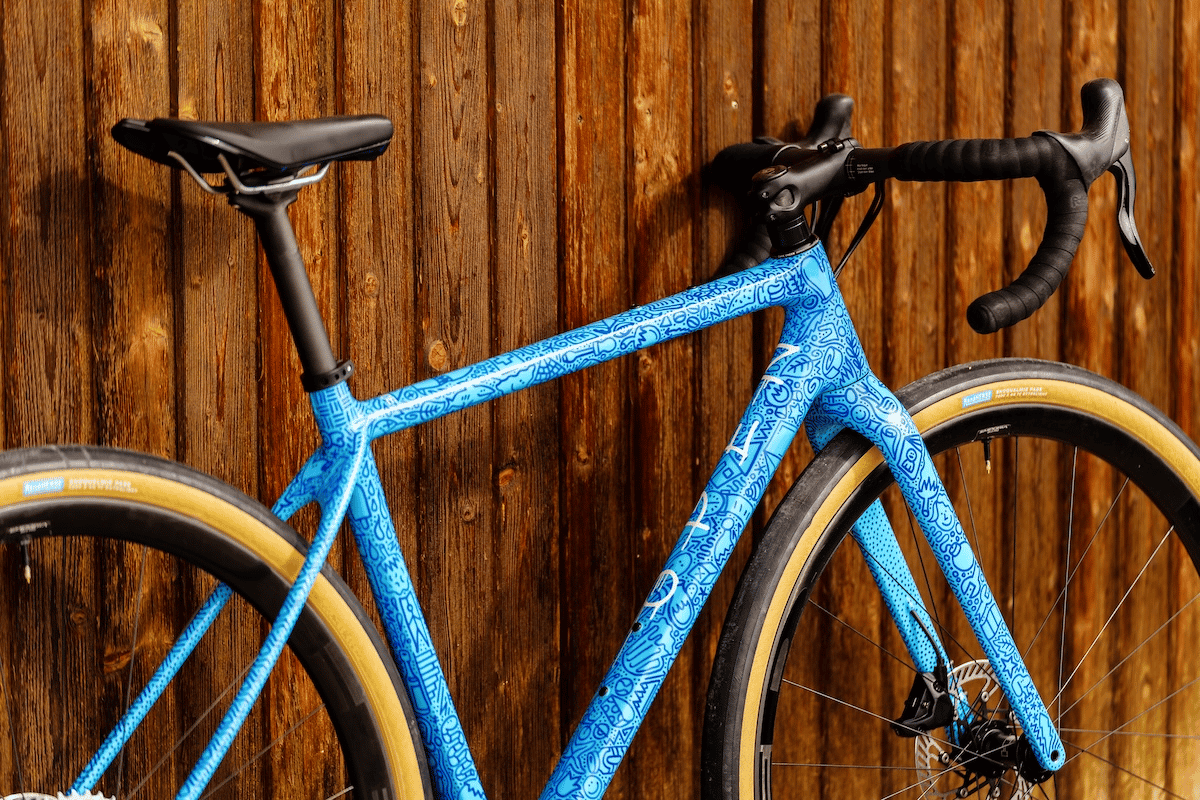
So we packed our Open WIDE bikes, loaded with stories, coffee, and curiosity, and set of
to explore a road that few dare to ride. Not for records, not for Strava, but for the sheer joy of
discovery, suffering, and wonder on the Roof of the World.

A Plan B that became the only plan
The Pamir adventure began almost by accident. We didn’t have the right permits to ride the M41, the famed Soviet highway across Tajikistan. But halfway through our flight, an email arrived: the permit was granted. What felt like a gift would soon prove to be a curse. We landed in Tashkent, Uzbekistan, soaking in the turquoise domes of Timurid mosques and the bustle of Silk Road bazaars.
From there, a train carried us across the 42°C heat of the Fergana Valley — the perfect introduction: suffocating heat, long flat roads, and the kind of discomfort that would define the next three weeks. With our bikes loaded and our Café du Cycliste kits zipped up, we pedaled 60 kilometers to Osh, one of the oldest cities in Kyrgyzstan. The first border was crossed.
The Pamir Highway awaited. Into the Pamir from Osh to Gulcha, things still felt manageable: rolling roads, horses grazing freely, and even a cheese stall that lifted morale. But then came the Taldyk Pass — and every rule of altitude adaptaption was broken. Instead of climbing 500 meters a day, we went 2,000 in one go. Our legs screamed, our lungs burned, but at least the bikes felt unshakable — a silent ally that made the suffering almost poetic. At the summit, the Pamir unfolded — vast, wild, intimidating.
That night, we slept in a yurt under endless stars. Crossing into Tajikistan via the Kyzyl Art Pass at 4,280 m, we felt euphoric — until Tom forgot to eat. Hypoglycemia hit hard. He collapsed, storm clouds swirling overhead. In between caring for Tom, Anouche documented the scene, proof that love sometimes means keeping the camera rolling (there is a movie coming out about the trip).
Then the Great Test: Ak Baital. The highest point of the Pamir Highway at 4,650 m. It was pure suffering. We cried, we hugged, we laughed. We looked both ridiculous and felt heroic at the same time. The descent felt like cycling across Mars — barren, endless, surreal. We rolled steady and true, absorbing every rock, every gust of wind, as if we were meant for this chaos. Food became the obsession. Tom, the self-proclaimed “Lion,” repeated his mantra — “When the lion’s hungry, he eats.” But the desert was stingy.
Our salvation came in a small village where, by sheer luck, the locals were holding a plov competition. Rice, lamb fat, carrots, vodka, celebration. Tom bought a T-shirt that read: All you need is Plov. It became the most cherished souvenir. There, they met Sherali — a snow leopard tracker who had studied the elusive predator for 15 years.
We never saw a leopard, but Sherali assured them: “The leopard saw you.”

Descent, exhaustion, and absurdity
The road to Khorog traced the Afghan border — mountains mirrored across the river, same landscapes, same people, just different passports. Along the way, we met cyclists who had been on the road for seven, eight, nine months. Heavily loaded, camping every night, grinding resilience into every pedal stroke.
We felt both admiration and relief — our pace was faster, our approach lighter, but everybody's story is uniquely theirs. By Rushan, exhaustion was written on our faces. Hollow muscles, dry skin, empty stomachs. The Pamir had taken enough, this was our final stop.
We loaded our bikes onto a battered 4x4, and endured 17 hours along what locals call “the road of the impossible.” The name was accurate. In Dushanbe, the capital of Tajikistan, we collapsed. The Pamir’s final gift was a week of food poisoning. A medal in reverse. We closed our journey in Samarkand, surrounded by domes, tiled monuments, and crowds of tourists. Civilization again — and, inevitably, another plate of plov.
Epilogue: Absurd beauty
The Pamir is often called the water tower of Asia — a high-altitude desert, a kingdom of snow leopards, a land of endless, broken roads. Some ride it for Strava, others for glory. We rode it for the joy of crying on mountaintops. We survived the Pamir. We survived Soviet hotels. We survived each other. And though the journey exploded our budget, that too was part of the adventure. Because the story isn’t over — we are now working on a documentary, The Pamir Ballad, coming in early 2026. A film about endurance, absurd beauty, and the art of getting lost — told from the saddle of two Open WIDEs that carried us beyond reason, into wonder.
For the spec geeks among us:
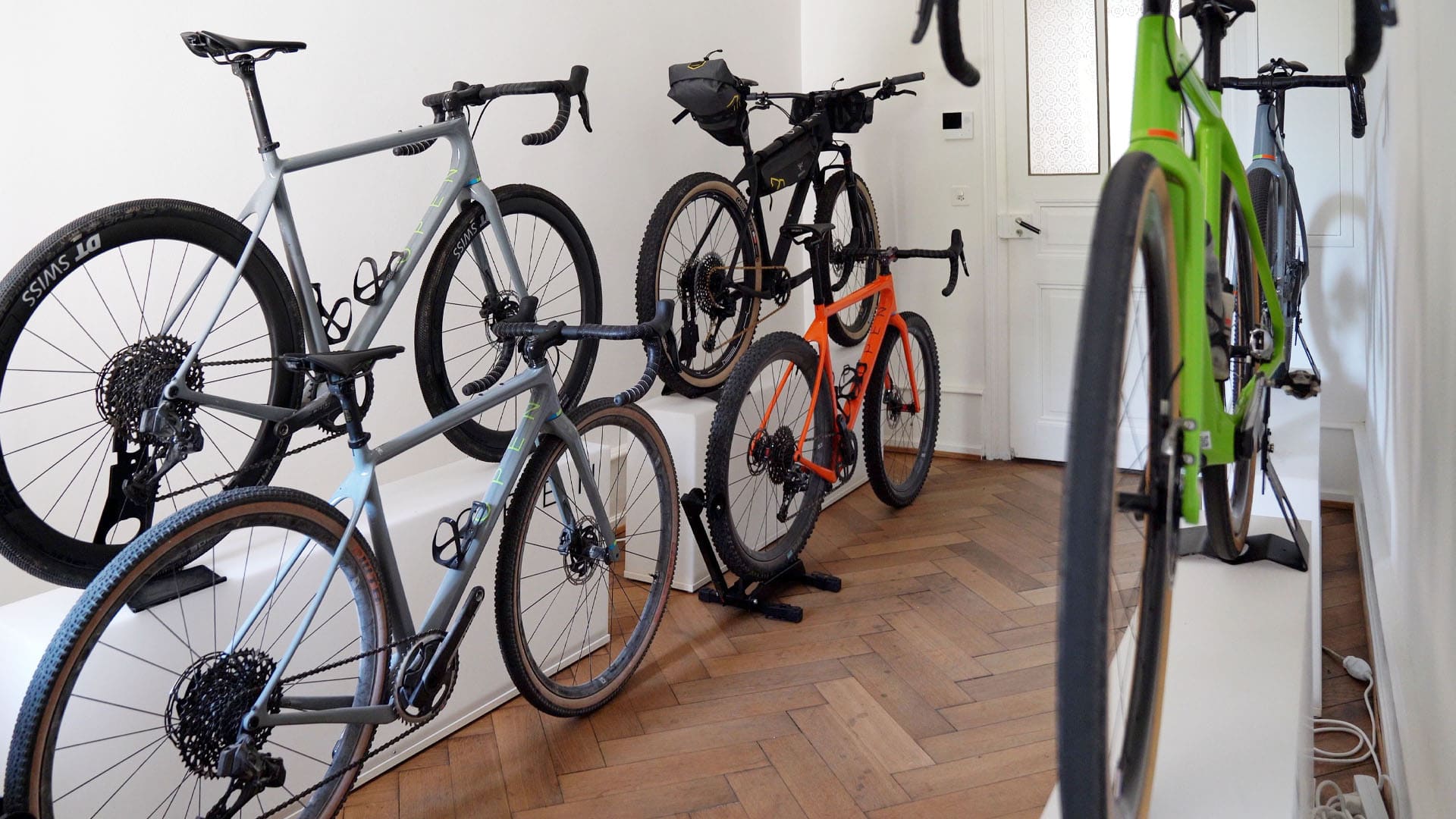
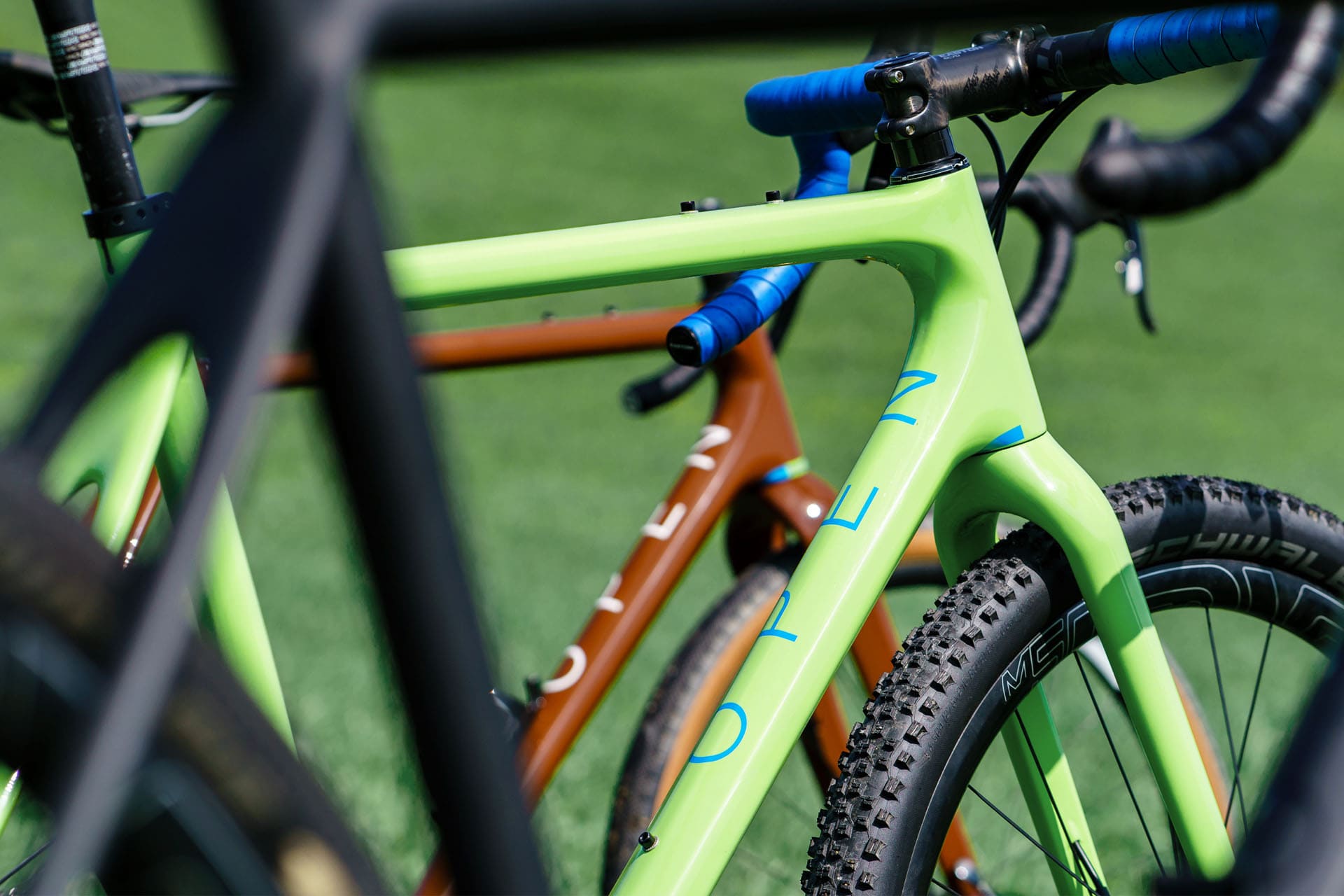
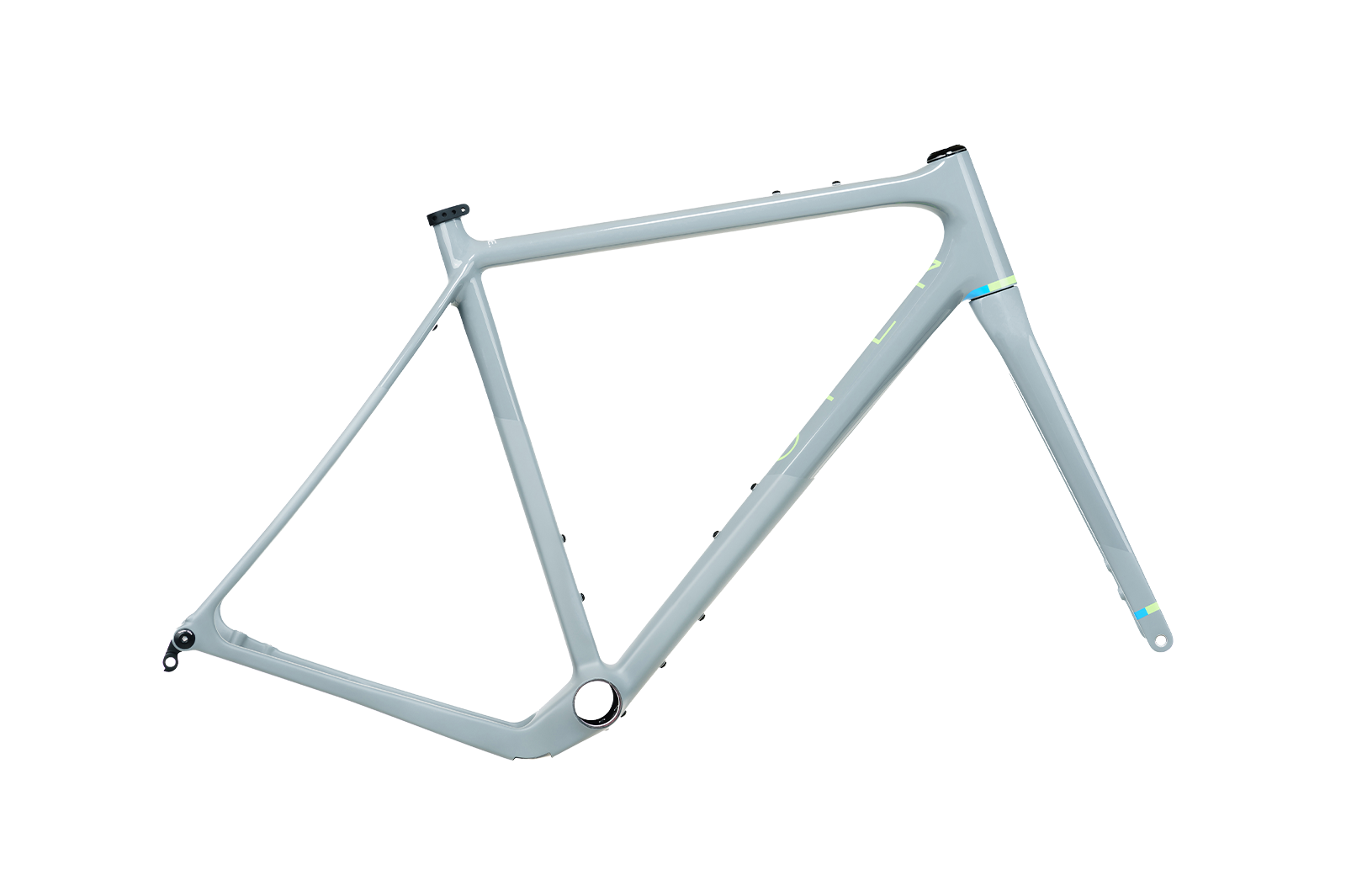
- Bikes: Open WIDE
- Groupset: SRAM Force eTap AXS electronic
- Wheels: DT Swiss GR1600 aluminum
- Tires: 45 mm tubeless for Tom, 40 mm for Anouche
- Apparel: Full Café du Cycliste kit — head to toe
- Extras: A full camping setup… never used once, but a pleasure to carry for 1,000 km.
- Route From Tashkent (Uzbekistan) to Samarkand, crossing Kyrgyzstan and Tajikistan along the legendary M41 — the Pamir Highway, including the Taldyk, Kyzyl Art, and Ak Baital passes.
- Total: ~1,200 km, altitudes up to 4,650 m.
Lessons learned
- The thinner the air, the thicker the memories.
- The Open WIDE doesn’t flinch — even when you do.
- Bring coffee.
- Leave expectations.
- You don’t need to use your camping gear to feel like an explorer.
- Adventure isn’t about the finish — it’s about everything that falls apart on the way
- Big thanks to by Café du Cycliste & OPEN


Thank you for sharing and I hope your efforts at further documentation are noted on Open's website!
Absolutely we'll put more info about the movie, etc in our newsletter, and on the blog when it makes sense. They just released the preview: https://www.instagram.com/p/DSXfFyHDJl-/